I.
Identify the Problem
There was no content library to speak of and engagement was low. Nobody had a real strategy in place, and the new equipment sitting in the office wasn't doing anyone any good.
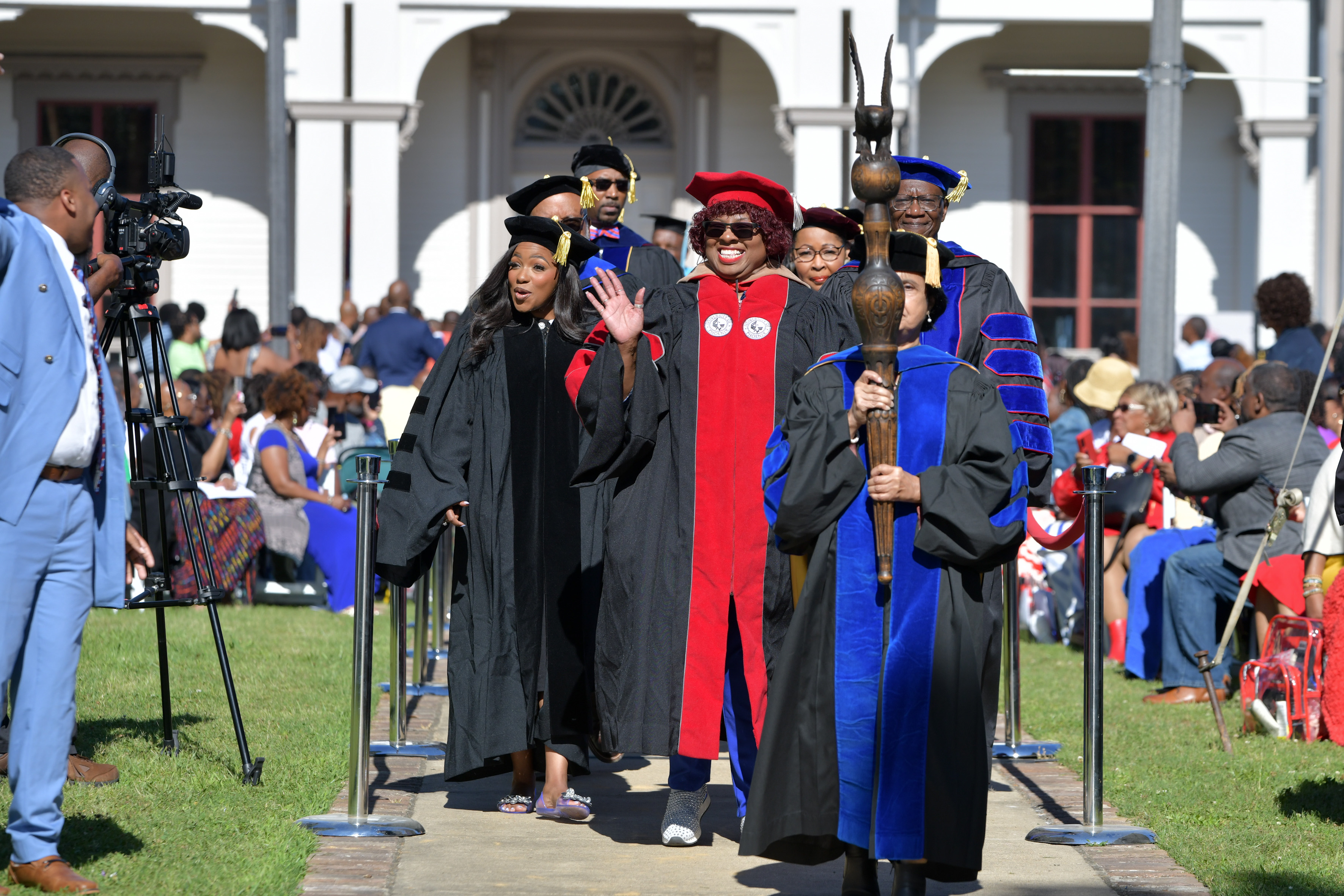
Building a reusable content library from the ground up through raw footage, smart interview questions, and organic campus storytelling.
When I arrived at Tougaloo, the college's social media presence had barely 10 stock photos and no video, despite the department having just received new equipment nobody knew how to use. I jumped in and started filming and photographing everything on campus.
Original campus photographyThere was no content library to speak of and engagement was low. Nobody had a real strategy in place, and the new equipment sitting in the office wasn't doing anyone any good.
I decided to build the library from scratch using raw footage and organic storytelling. While interviewing students, faculty, and alumni for other projects, I made a point of asking smart questions I knew could fuel future content, not just answer whatever the interview was technically about.
Use every interview to uncover future stories.
Turn everyday campus moments into a reusable archive.
Let real voices and real places lead the content.
One of those questions, asking people their favorite place on campus, turned into a full campus spaces video series. It covered Warren Hall, the historic Woodworth Chapel, and the Bennie G. Thompson Civil Rights & Research Center. I filmed and photographed everything I could, building a real archive the college could actually pull from going forward.
Campus Life · Tougaloo College
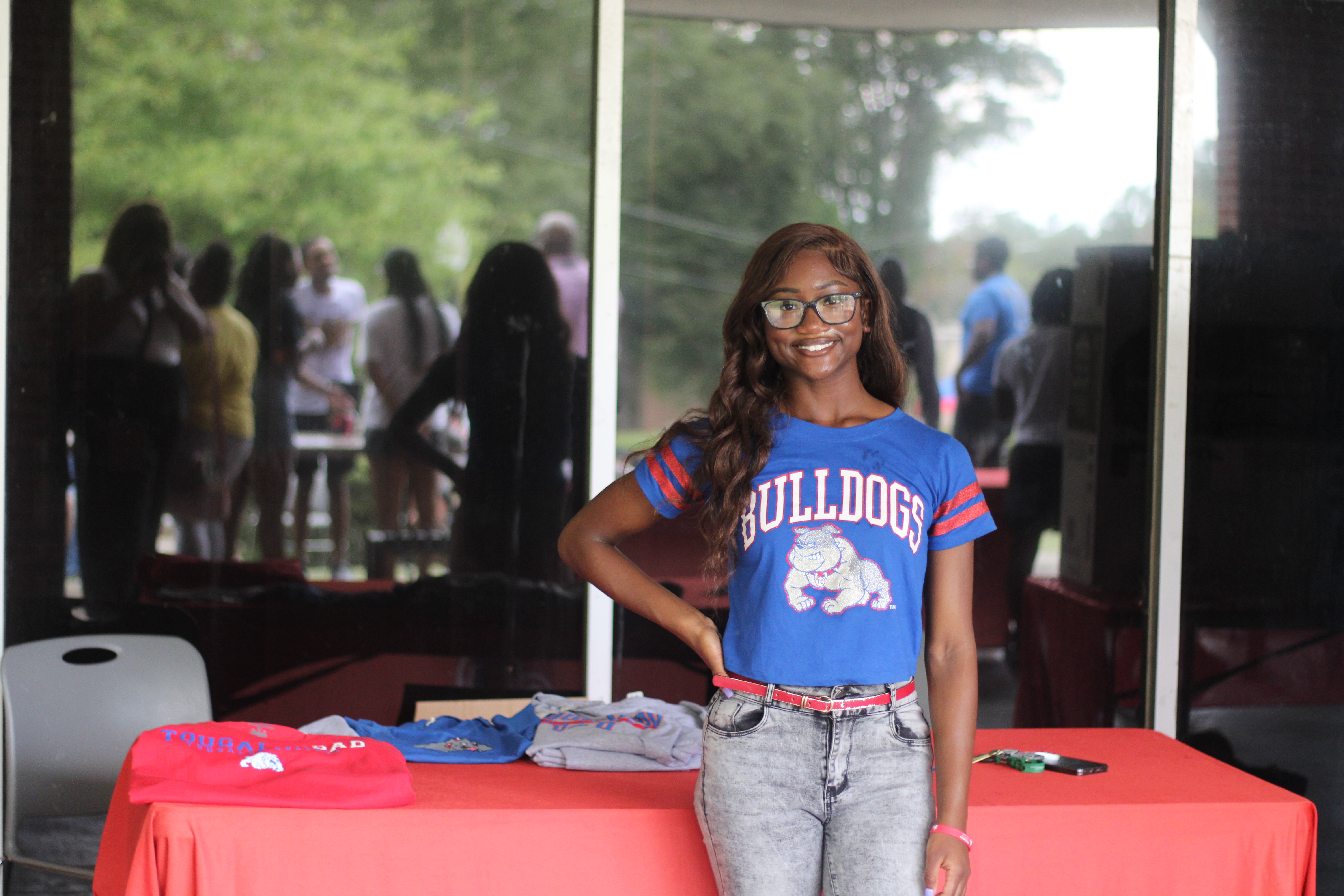
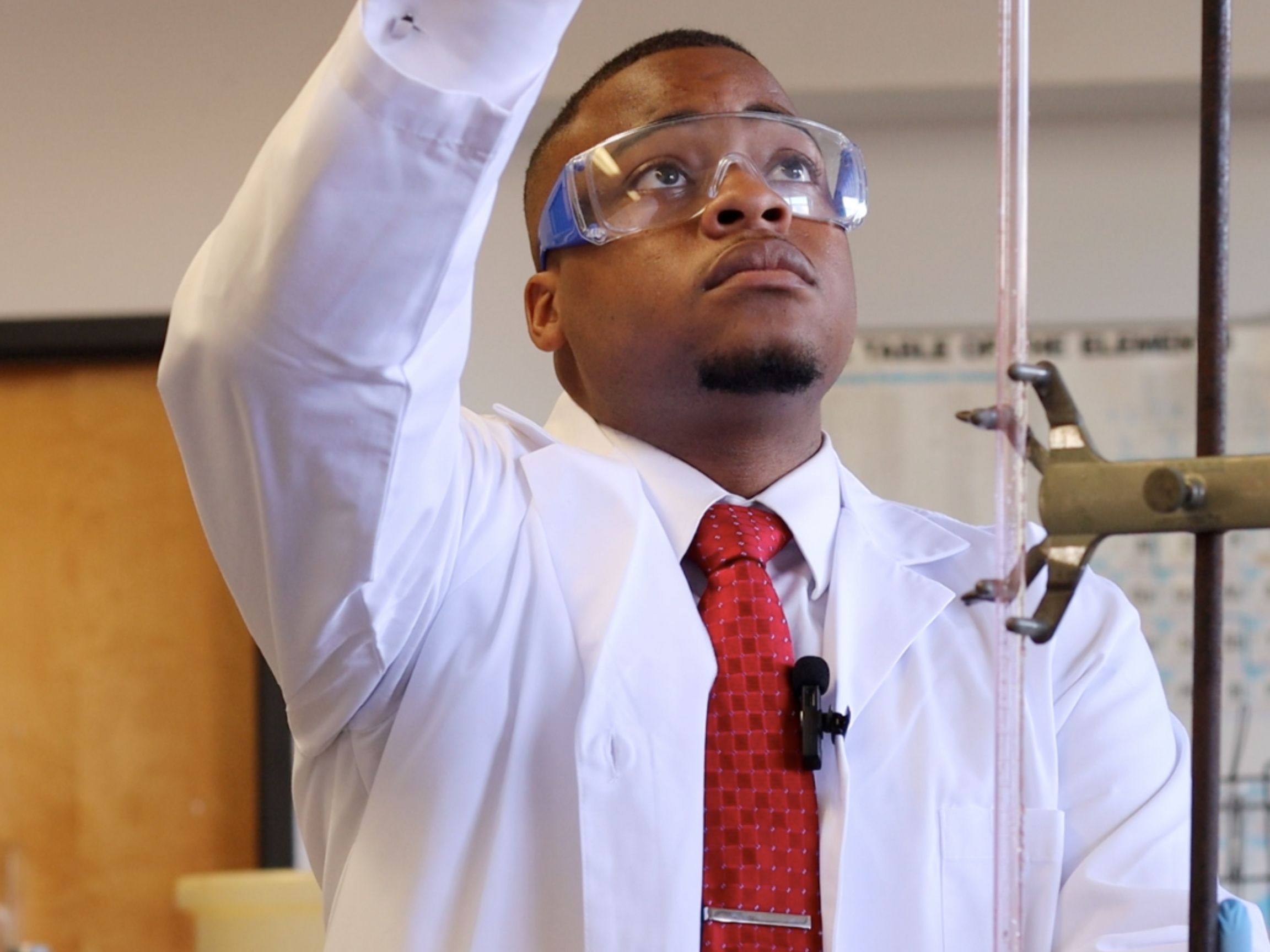
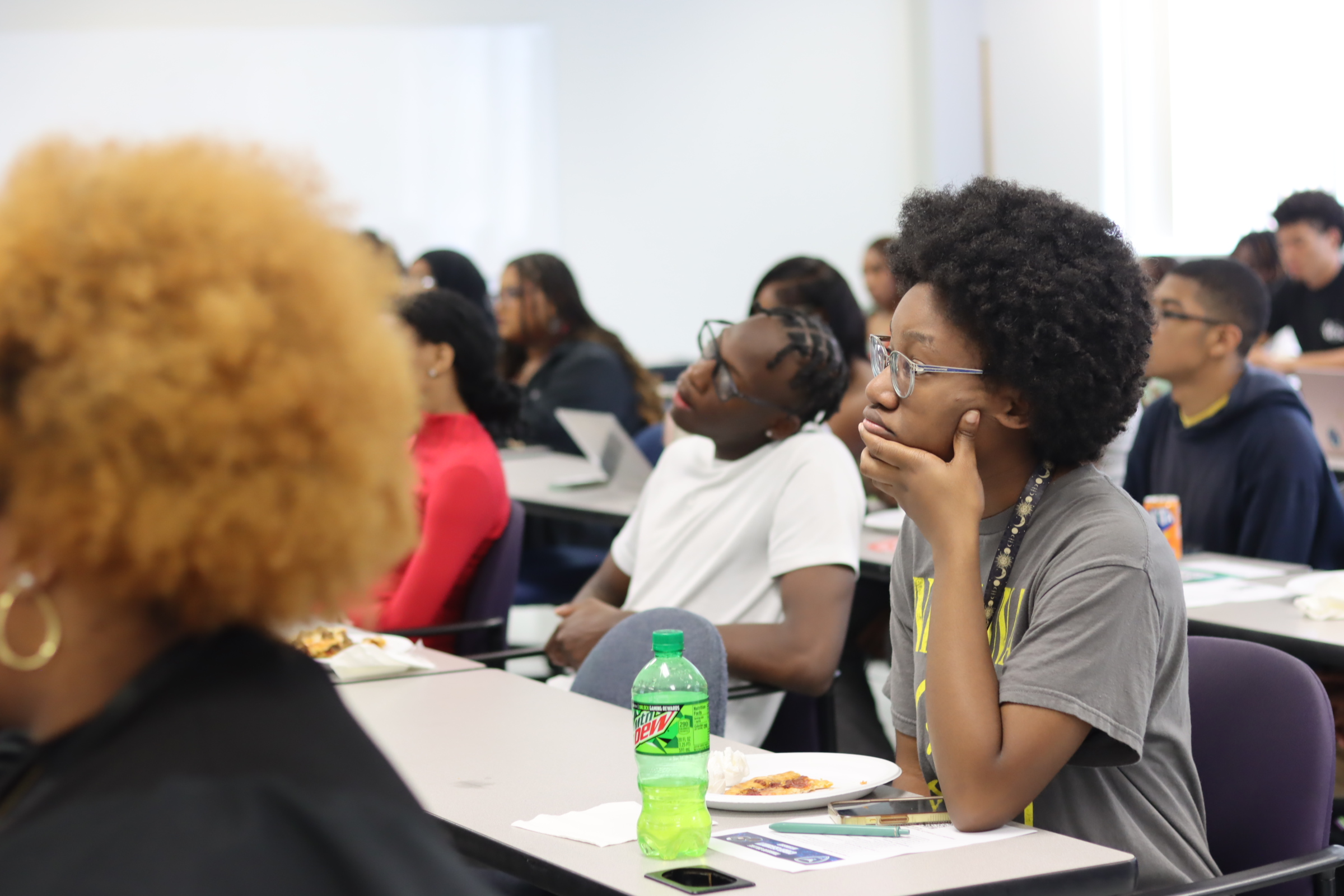
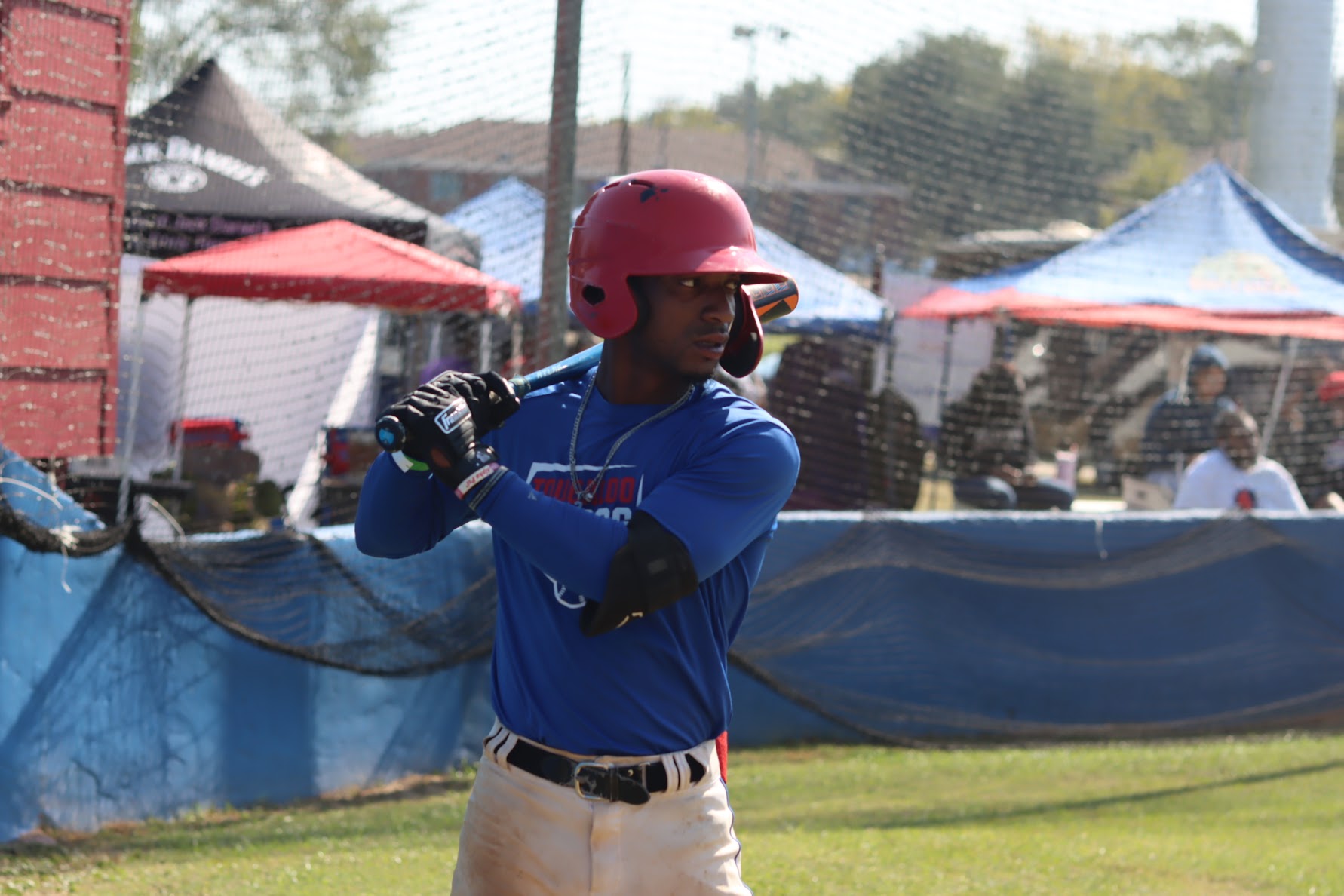

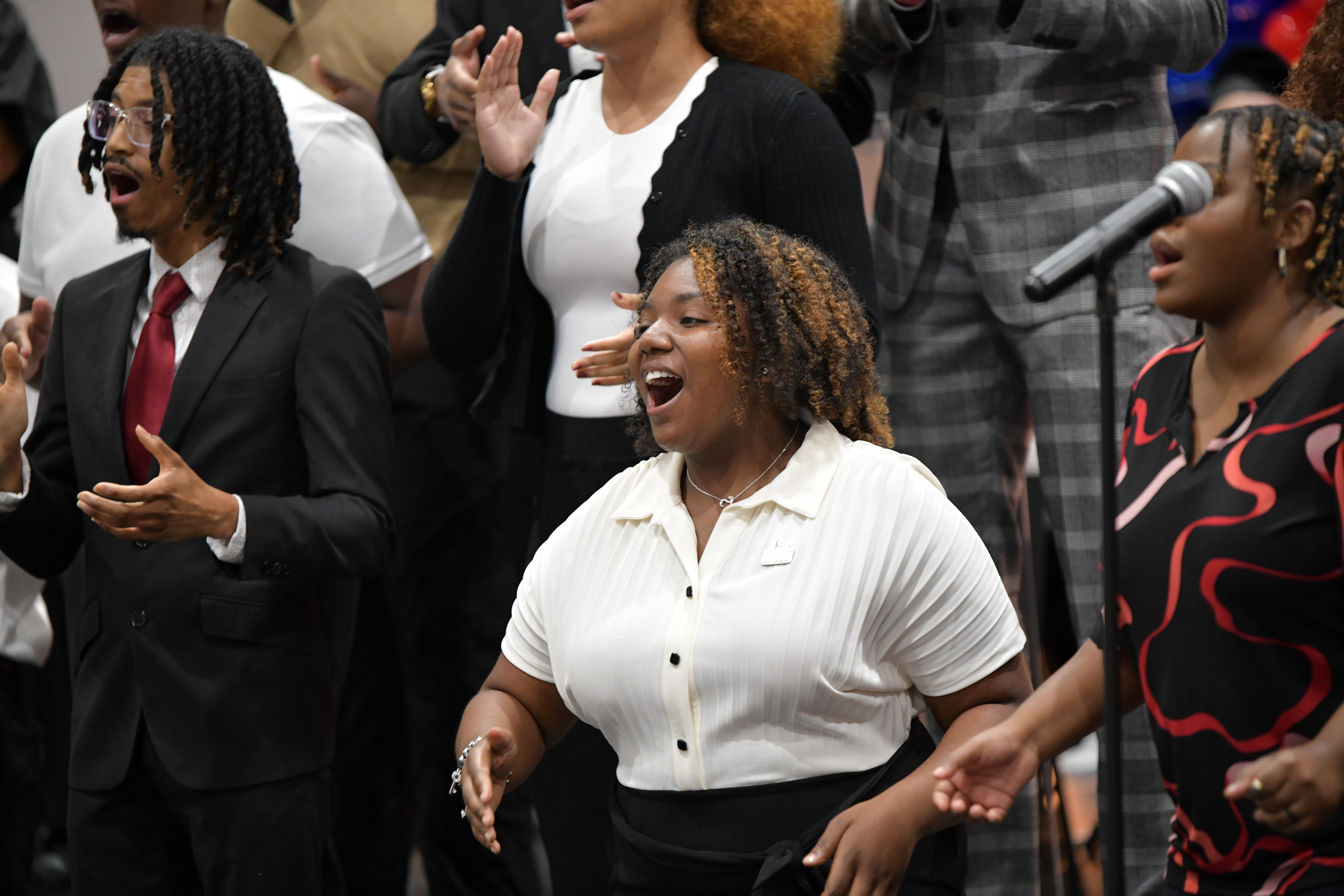
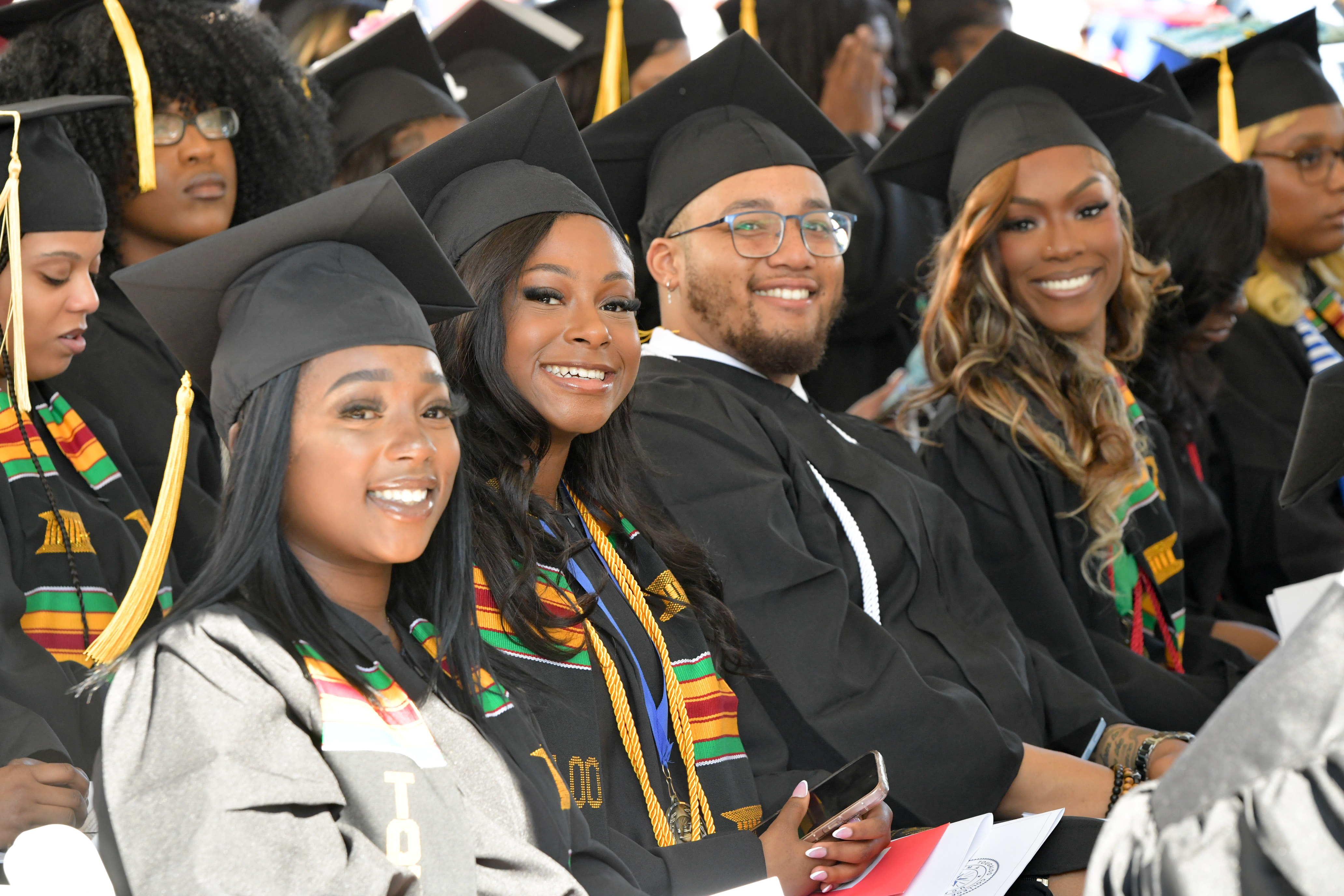
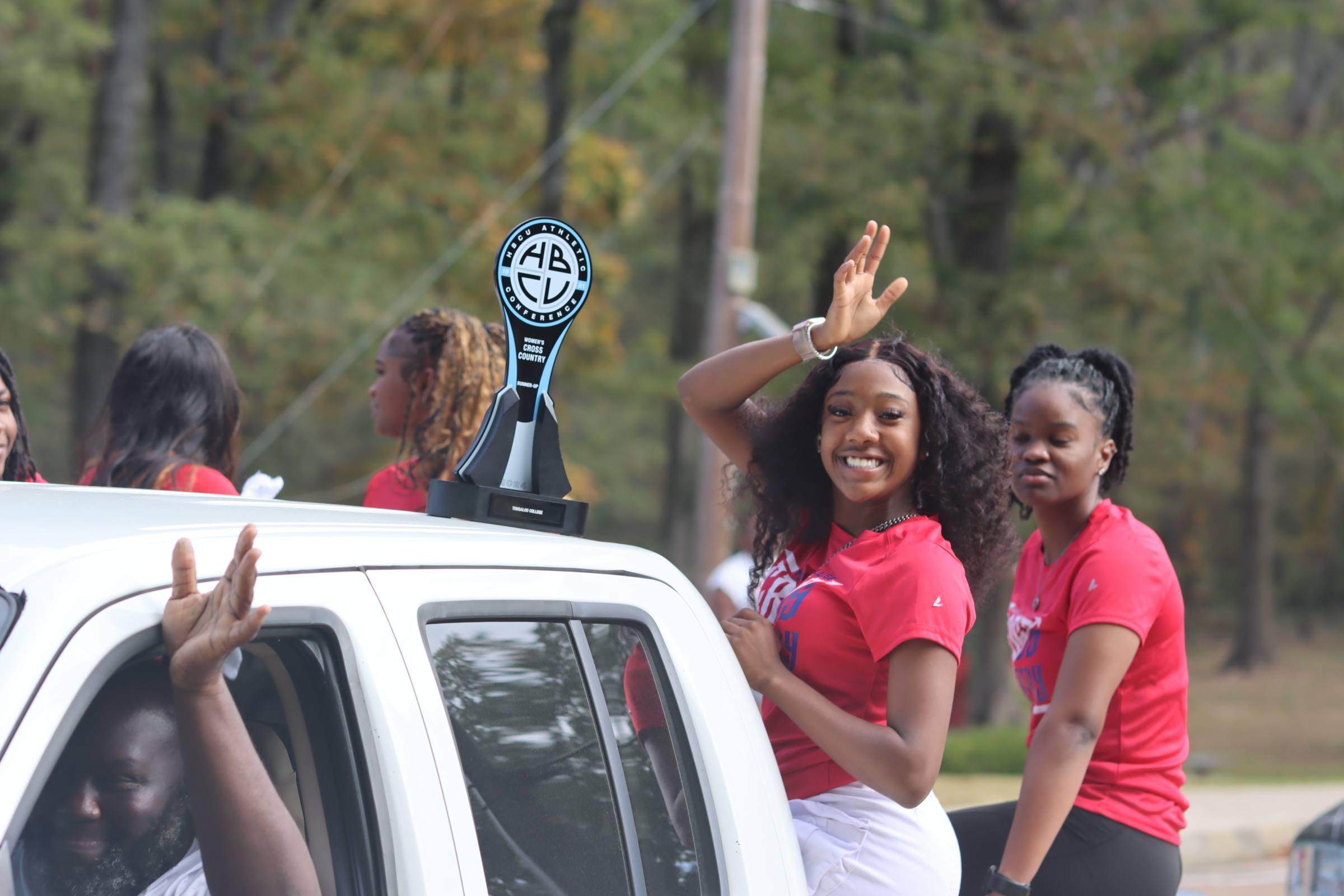
The Warren Hall video became the highest-performing piece of content the college had put out, pulling over 11,000 views and 500 likes. The social archive grew from 10 photos to a full library of video and images the team could reuse for years.
Content creation isn't just about what's happening right now. Asking the right questions early gave me months of material to work with later. When there's no formal strategy in place, raw footage and organic storytelling can build real engagement from the ground up.
Next case study: Faces of ASU →